

The Gaj Eco- Resort
The Gaj Eco- Resort at Tranquil hill forests of Lansdowne, Uttarakhand
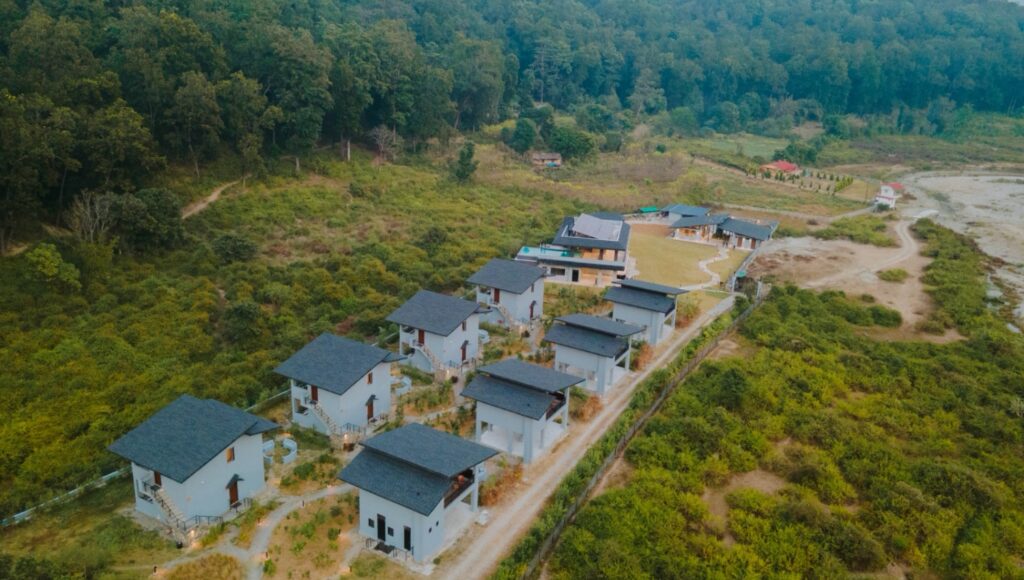
Nestled within the tranquil hill forests of Lansdowne, Uttarakhand, The Gaj Eco-Resort is envisioned as an immersive hospitality experience that celebrates coexistence between architecture and nature. The project site lies deep within a dense forested landscape, defined by undulating topography, native vegetation, and panoramic views of the Garhwal Himalayas. The design seeks to respect and respond to this pristine natural setting rather than impose upon it, allowing the built form to grow organically out of the terrain.
The planning approach follows a systematic, context-sensitive strategy that integrates environmental, spatial, and experiential aspects. Each built cluster—cottages, reception pavilion, restaurant deck, and wellness zones—is positioned to minimize tree felling and soil disturbance. Circulation is organized through elevated walkways and contour-aligned paths, ensuring that natural drainage patterns and ground vegetation remain intact.
The master plan emphasizes the harmony between built and unbuilt zones:
Accommodation units are dispersed to maintain privacy and to create micro-courtyards within the forest canopy. Central facilities are oriented toward views and solar exposure, using passive design principles for ventilation and daylight. Service areas are tucked behind landscape buffers to preserve the natural experience for guests.
Material selection is driven by sustainability and regional identity. Locally sourced stone, reclaimed timber, bamboo, and lime plaster are employed to reduce embodied energy and enhance thermal comfort. Green roofs and rainwater-harvesting systems merge architecture with landscape, while grey-water recycling and solar energy integration support a self-sufficient ecological loop. The landscape design extends the forest itself—introducing native planting, bioswales, and natural trails that encourage biodiversity. Built edges dissolve into soft terraces and vegetated slopes, creating a seamless transition between human spaces and the wilderness.
Ultimately, The Gaj Eco-Resort aspires to be a living forest habitat, demonstrating how hospitality design in fragile ecosystems can become a model for environmental stewardship, sustainable tourism, and poetic architecture that listens to its land.
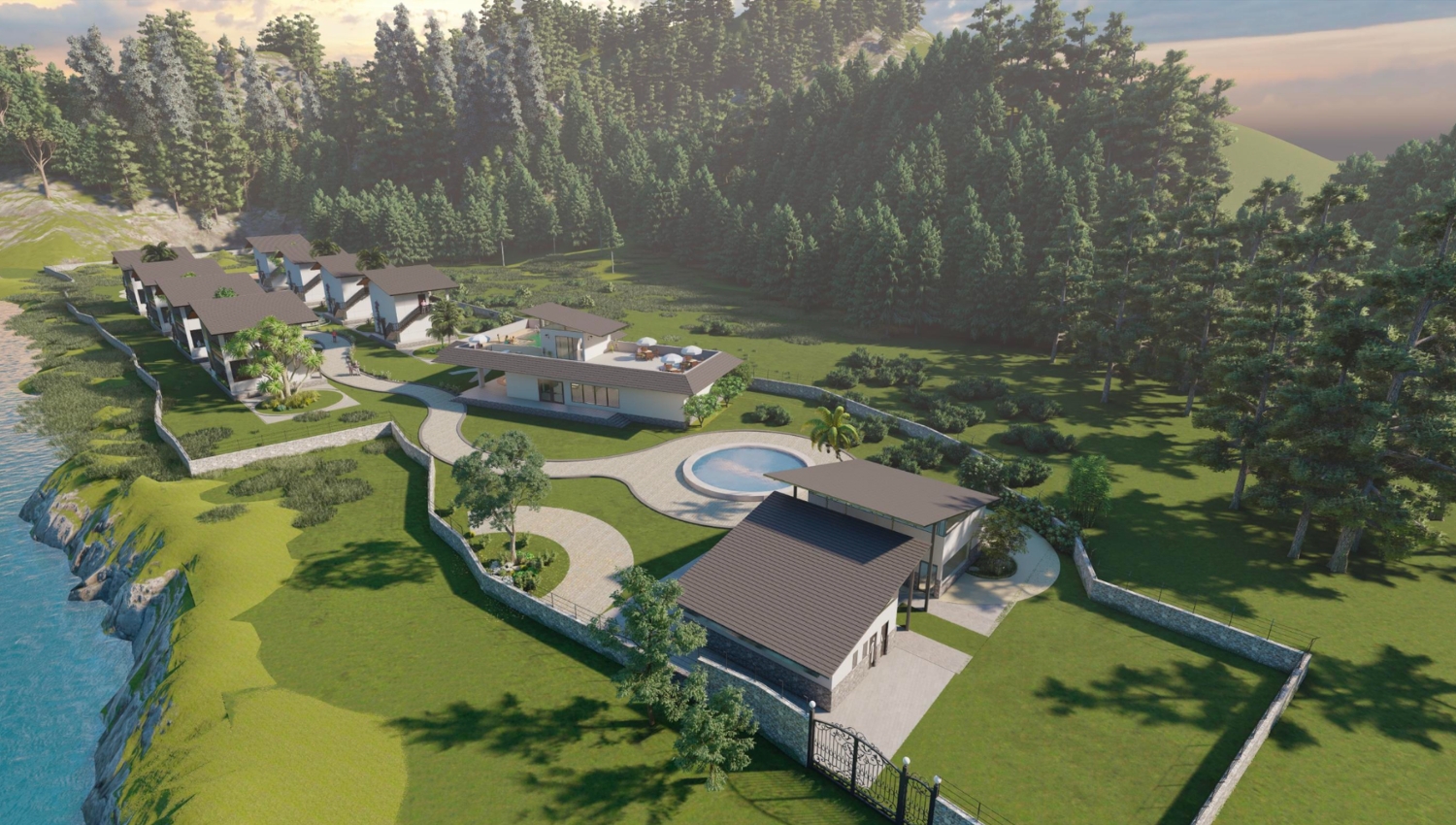
Site Context: Architectural Design, Resource Efficiency & Environmental Impact
The project site for The Gaj is located in the serene hill town of Lansdowne, Uttarakhand, nestled within the dense oak and pine forests of the Garhwal region. Characterized by steep contours, natural drainage channels, and rich biodiversity, the site offers both opportunities and responsibilities for sustainable architectural intervention. The setting’s tranquil ecology and sensitive terrain require a design approach that minimizes disruption while maximizing experiential quality.
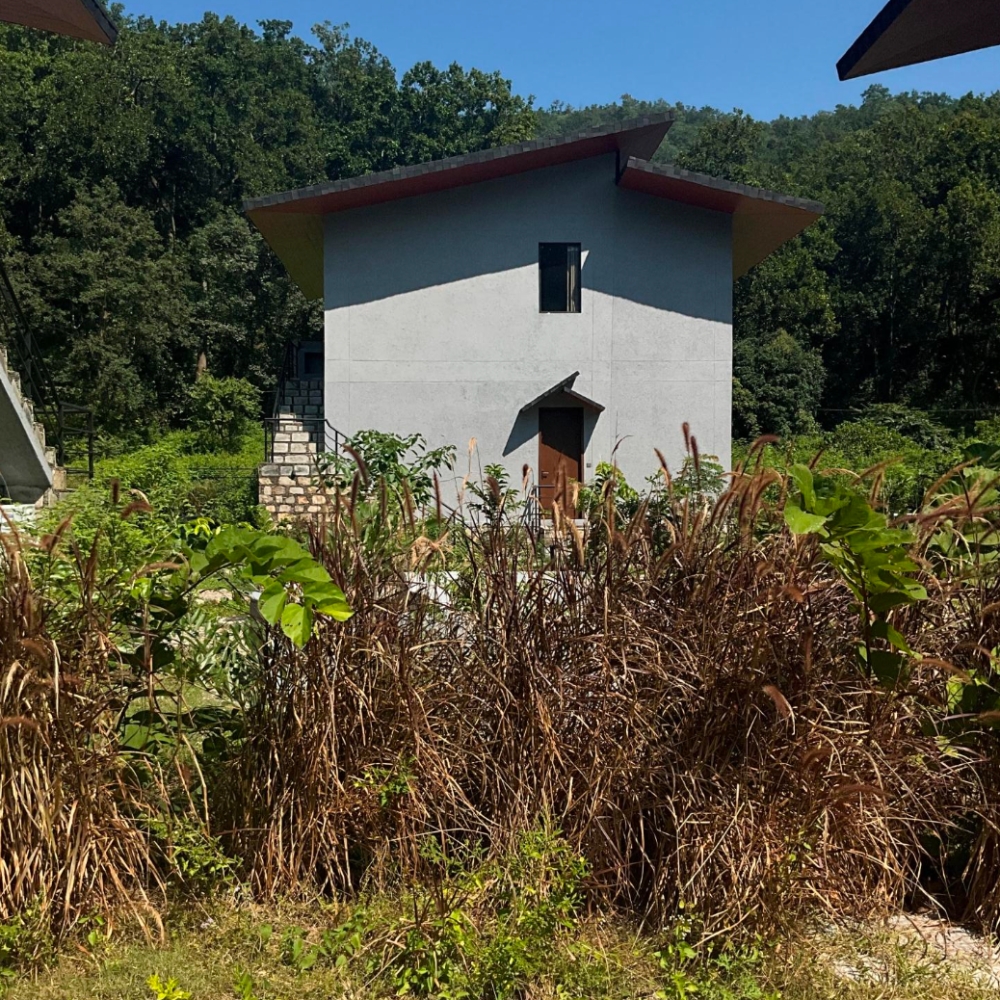
Material Consciousness in Architecture
In the sensitive ecosystem of Lansdowne’s deep forests, architecture must evolve beyond form and function — it must listen to the land. The Gaj Eco Resort embraces this philosophy through a design approach rooted in material consciousness, where every element is derived from the ecological logic, cultural context, and material availability of the site.
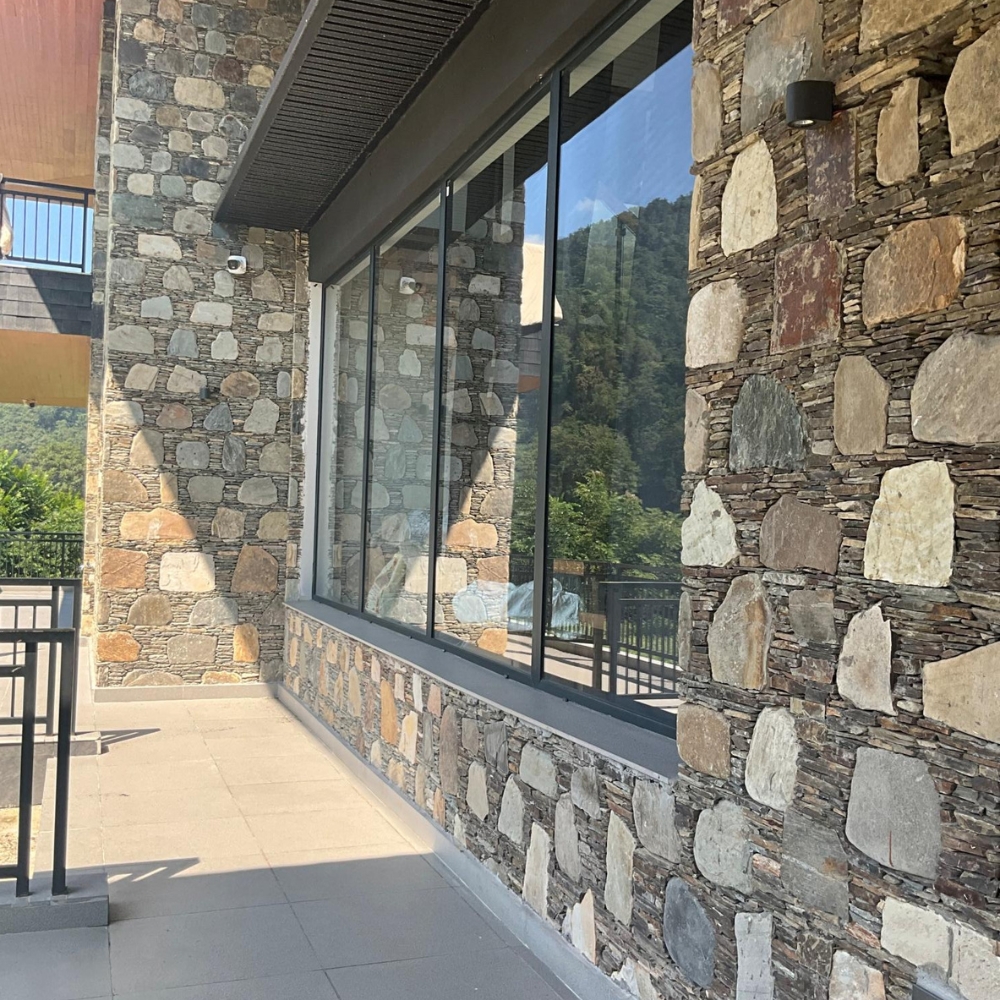
Architectural Design Response
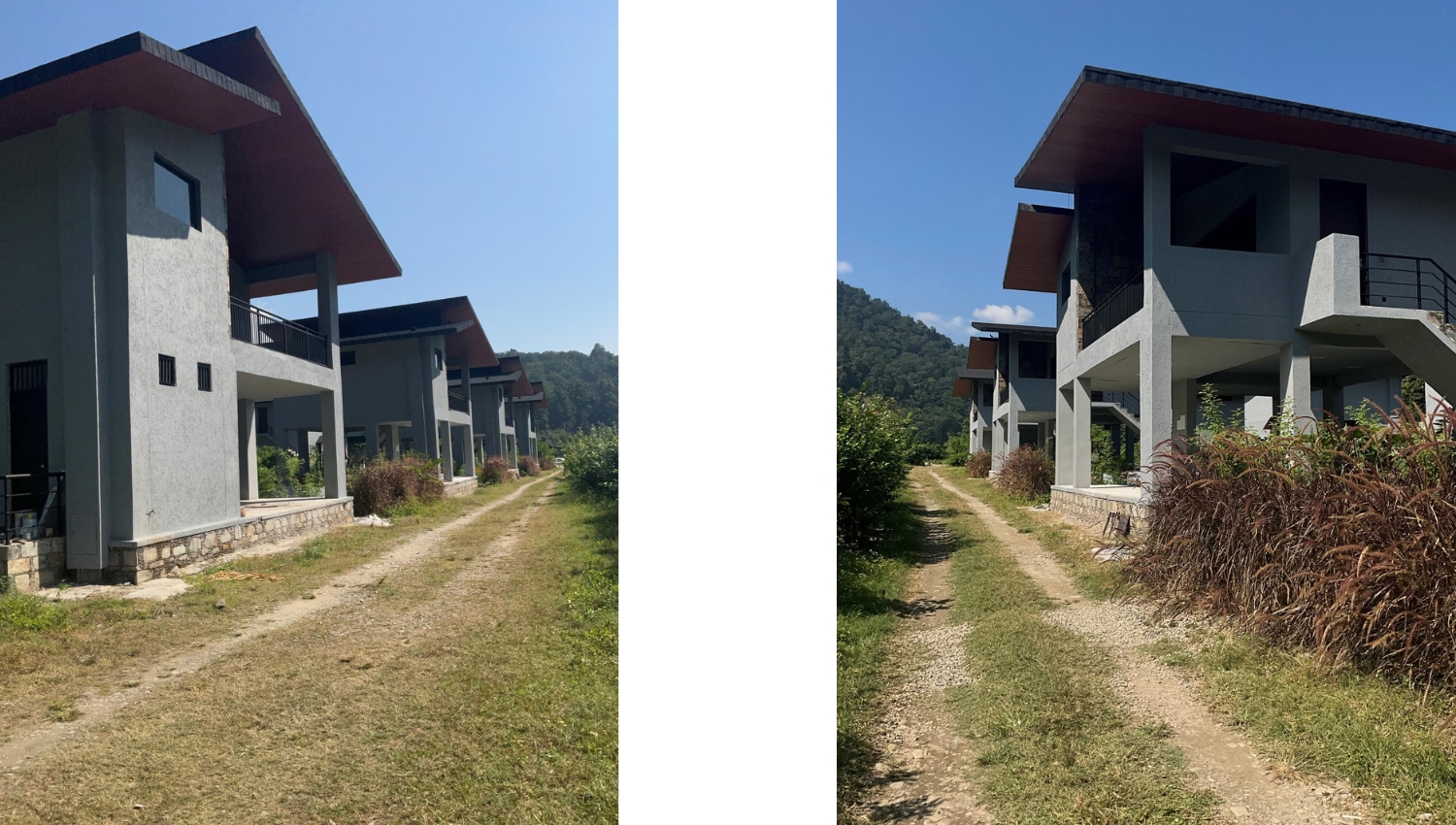
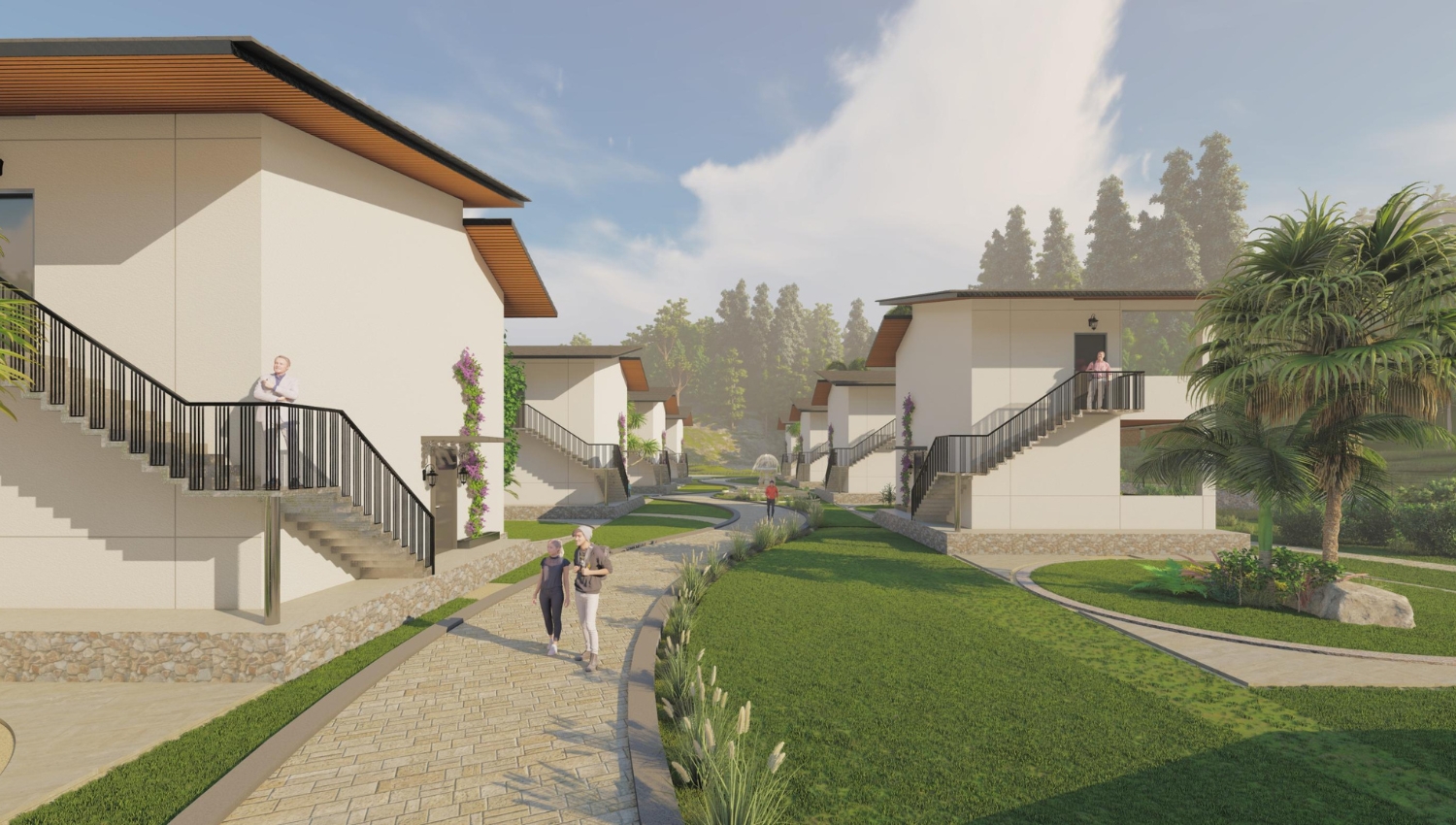
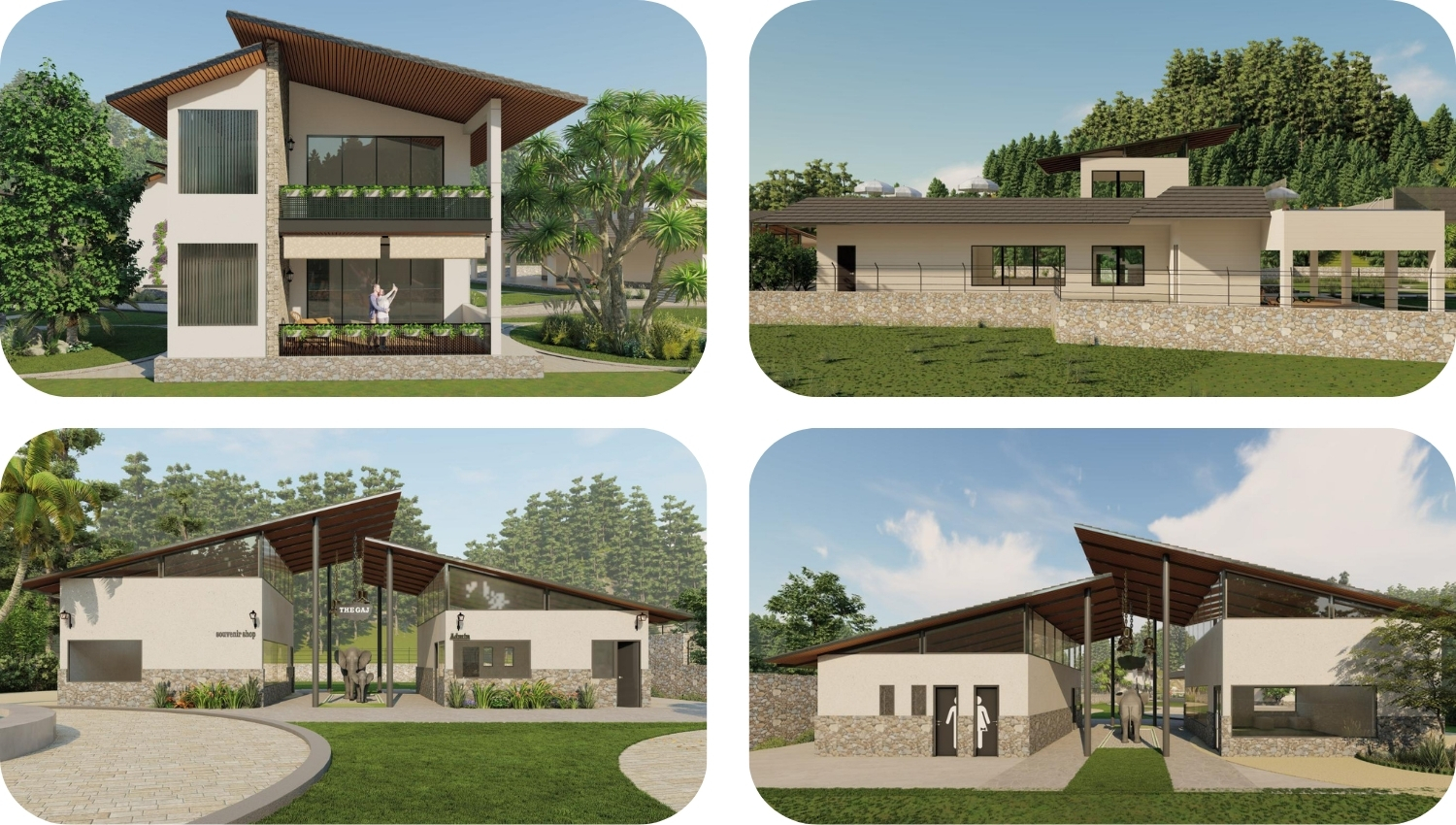
The architecturaldesignemerges from the topographical and ecological logic of the site. Rather than imposing a rigid form, the resort follows the natural contours, allowing built structures to step down gently along the slope. This contour-based planning minimizes excavation and soil displacement, preserving the natural hydrology and preventing erosion. The spatial arrangement encourages porosity between built and natural spaces — open decks, courtyards, and verandas dissolve the boundary between interior and landscape. Visual corridors are aligned with forest clearings and valley vistas, ensuring every structure maintains a direct dialogue with its natural surroundings. The orientation of buildings follows passive solar design principles, optimizing sunlight in winters and shading during summers, thereby reducing dependence on mechanical systems.
Environmental Impact
A comprehensive environmental impact mitigation strategy guides every design decision. The project avoids large-scale tree removal by adapting the master plan to existing vegetation patterns. All pathways and services follow natural clearings to minimize ground disturbance. Green roofs, permeable surfaces, and native planting enhance biodiversity and maintain microclimatic stability. Artificial lighting and noise levels are carefully controlled to preserve nocturnal wildlife behavior.
In essence, The Gaj demonstrates how architecture in a sensitive forest ecosystem can become a medium for environmental conservation. Through intelligent planning, efficient resource use, and a low-impact design vocabulary, the project aspires to create a self-sustaining hospitality model — one that nurtures the landscape while providing a deeply immersive natural experience for its visitors.
Architects: DIA Architect
Area:19 acre
Year: 2025
Manufacturers: Everest , OKNA , KOHLER , applo pipe ,Asian paint Category:Resort , HOSPITALITY CATEGORY
Design Team:Amit Jaiswal , Shubham , ilma , ramvijy City:Lansdowne – Uttarakhand


Add a comment